
Repaint or Replace Your Siding? How to Tell Which Your Home Needs
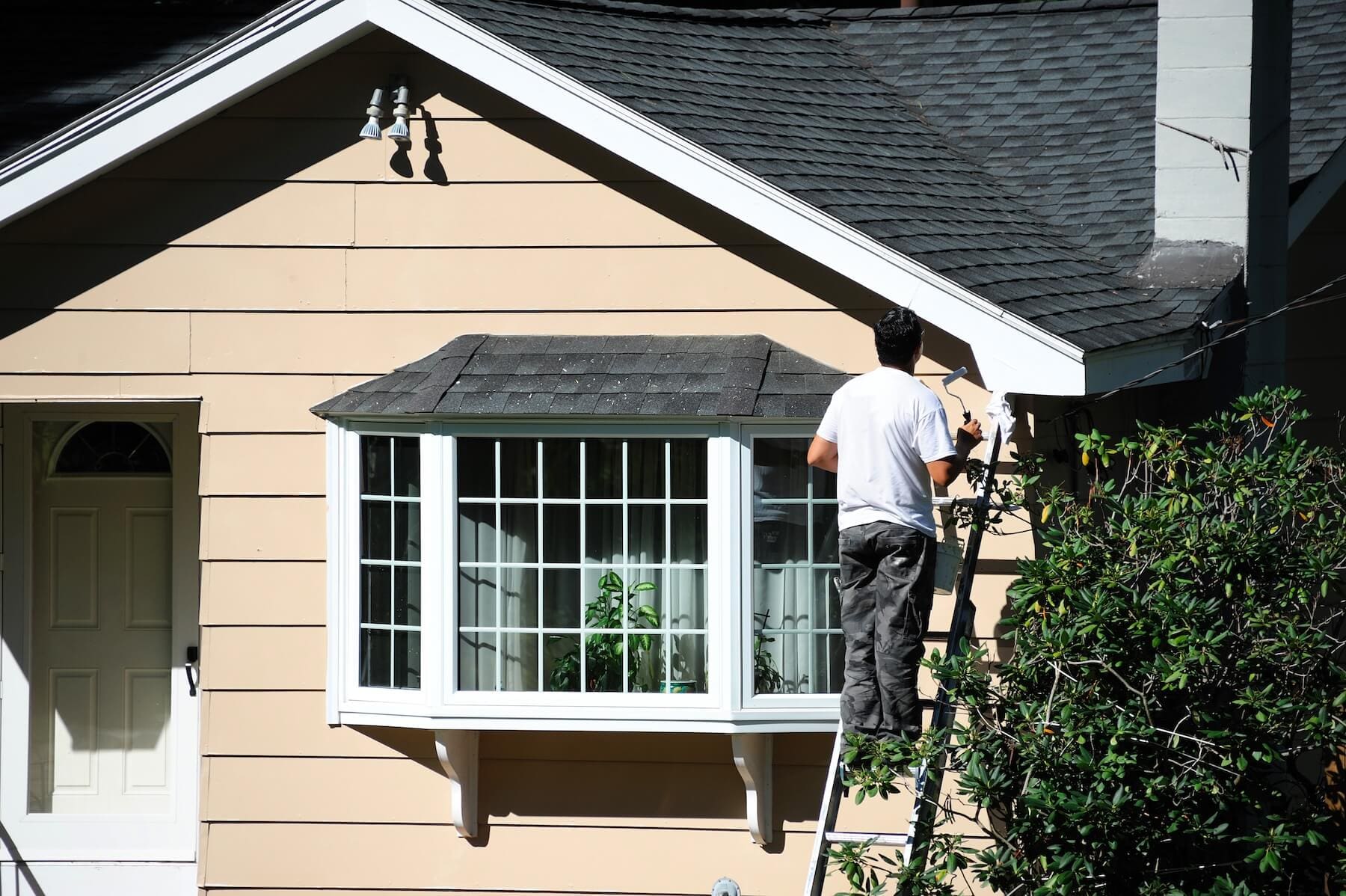
Standing in the driveway looking at a tired exterior, most homeowners ask the same question: is this a paint problem or a siding problem? It matters, because the wrong answer is expensive. A fresh coat over failing boards buys you a season before the trouble comes right back, and replacing siding that only needed a good repaint is money you did not have to spend.
It is one of the most common questions we hear from homeowners across the Gorge, from the historic core of Hood River to orchard country near Parkdale to the wind-exposed homes across the river in White Salmon.
Here is how to tell the difference, so you can fix the actual cause instead of covering it up.
Start With the Paint, Not the Panic
A lot of exteriors look worse than they are. Faded color, chalky residue, and surface grime are cosmetic. They make a house look neglected, but they do not mean the siding has failed. In most of these cases, proper prep and a quality repaint bring the home right back.
Peeling and blistering paint can go either way. If the paint is failing because a past job skipped prep or used the wrong product, the fix is stripping back to a sound surface and repainting correctly. If the paint is failing because moisture is getting into the wood behind it, that is a different story, and it points toward the siding itself.
Signs a Repaint Is All You Need
You are probably looking at a repaint, not a replacement, if the siding is structurally sound and the issues are on the surface. Watch for these:
- The boards are solid when you press on them, with no soft or spongy spots.
- The problems are cosmetic: fading, chalking, dirt, mildew, or minor peeling.
- Caulk lines have cracked or gaps have opened, but the material around them is intact.
- The last paint job simply wore out on schedule after several years.
When the wood is healthy and the paint has just reached the end of its life, a careful exterior painting job restores both the look and the protection. Good prep is what makes it last: washing, scraping, priming bare spots, and sealing gaps so moisture cannot work its way in.
Signs It Is Time to Replace
Replacement moves onto the table when the siding itself has stopped doing its job. These are the red flags:
- Soft, spongy, or crumbling wood, which usually means rot has set in.
- Boards that are split, cracked, warped, or pulling away from the house.
- Widespread damage across a wall rather than one or two isolated spots.
- Paint that will not hold no matter how many times the surface gets redone.
- Visible moisture damage, or signs of it, on the interior wall behind the siding.
Rot is the one to take seriously. Bare or graying wood that has gone soft is often the early warning before real structural damage, and catching it now is far cheaper than catching it later. When siding has reached this point, siding replacement gives you a sound, paintable surface and a fresh start, and pairing it with fresh paint makes the home look whole again.
The Honest Middle Ground
Not every home is all-or-nothing. Sometimes a single elevation has failed while the rest of the house is fine, and the right move is replacing just that section, then painting the whole exterior so it matches. A good painter will tell you when a partial replacement makes sense instead of talking you into wrapping the entire house.
That honest assessment is the whole point of a walkthrough. Someone who knows what they are looking at can tell the difference between a wall that needs a wash and a coat, and a wall that is quietly rotting behind the paint.
A Quick At-Home Check
You can get a rough read before anyone comes out. On a dry day, press a screwdriver gently against a few boards, especially low spots and areas near the ground, gutters, and downspouts where water collects. Firm wood is a good sign. If the tip sinks in or the wood feels soft, flag it. Look for paint that is peeling down to bare wood in sheets rather than flaking on the surface, and check for dark staining that suggests trapped moisture.
None of this replaces a professional eye, but it tells you if you are likely looking at a cosmetic refresh or something structural.
When in Doubt, Get It Looked At
The difference between repaint and replace is not always obvious from the curb, and guessing wrong is costly either way. A free walkthrough sorts it out fast: you get a straight answer on what your home actually needs, and a quote built on that reality rather than a worst-case guess.
If your exterior is looking rough and you want to know which fix it really needs, get a free quote from Full Bloom Painting. We will tell you what we would tell our own family, whether that is a repaint, a replacement, or a bit of both.